If you want to lose body fat, there is no magic food that melts weight off overnight. The real leverage comes from eating in a calorie deficit consistently and choosing foods that make that deficit easier to maintain. That is why the best foods for weight loss are usually not the trendiest foods. They are the foods that give you a strong mix of satiety, protein, micronutrients, volume and convenience.
In simple terms, the right food choices help you stay fuller on fewer calories. They also make it easier to hit your protein target, recover from training and avoid the “all day hungry” feeling that ruins compliance. If you have not set your own numbers yet, start with the MacroFit calorie and macro calculator. Once you know your calorie target, food decisions become much more strategic.
What Makes a Food Weight-Loss Friendly?
A weight-loss-friendly food usually checks at least one of four boxes. First, it is relatively high in protein. Second, it has a lot of volume for the calories. Third, it is rich in fiber or water, which helps create fullness. Fourth, it is easy to plan and repeat without turning your routine into a full-time project.
That is why chicken breast, eggs, Greek yogurt, potatoes, berries and vegetables show up so often in successful fat-loss diets. None of them are glamorous. They are effective because they help you control calories while still feeling like you are actually eating.
Satiety score: foods that usually give more fullness per calorie
The Core Food Groups to Prioritize
1. Lean protein foods
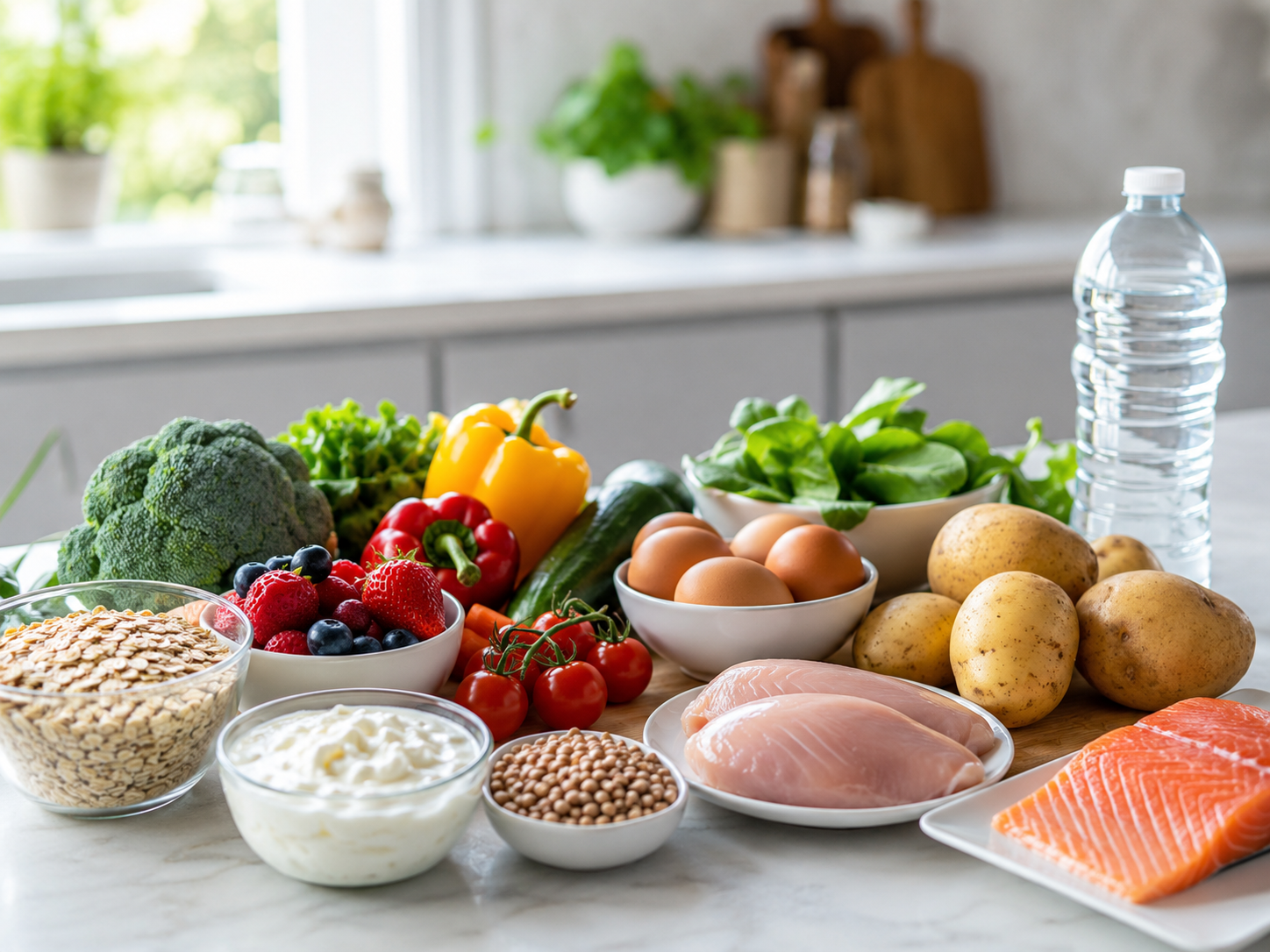
Protein is the backbone of a good fat-loss diet. It helps preserve muscle, supports recovery and usually improves fullness compared with lower-protein meals. Great options include chicken breast, turkey, tuna, salmon, eggs, low-fat Greek yogurt, cottage cheese, tofu, tempeh and lean beef. If weight loss is the goal, every meal should include a clear protein source instead of leaving protein to chance.
2. High-volume vegetables
Vegetables are not exciting, but they are operationally powerful. Broccoli, spinach, zucchini, carrots, peppers, tomatoes, cucumbers, cauliflower and salad greens help you build meals that feel big without blowing up calories. A plate with 200 grams of vegetables looks generous. A plate without them often looks like a snack.
3. Smart carbohydrate choices
Carbs are not the enemy. The better question is which carbs help you stay in control. Potatoes, rice, oats, beans, lentils, fruit and whole-grain products can all fit. Potatoes are especially useful because they are filling relative to calories. Oats work well for breakfast. Fruit is excellent for adding sweetness and volume without turning the day into a dessert spiral.
4. Fats that add control, not chaos
Dietary fat matters for health and flavor, but it is calorie dense. That means foods like oils, nut butters, dressings, cheese and mixed nuts can quietly raise calories fast. Use them, but use them intentionally. In a fat-loss phase, fats usually work best as measured additions rather than automatic pours.
| Food group | Best examples | Why it helps |
|---|---|---|
| Protein | Chicken breast, fish, eggs, Greek yogurt, tofu | Supports fullness, muscle retention and meal structure |
| Vegetables | Broccoli, spinach, cucumber, zucchini, peppers | Adds volume, fiber and micronutrients for few calories |
| Carbs | Potatoes, oats, fruit, rice, beans | Provides energy and better adherence when portions are managed |
| Fats | Olive oil, avocado, nuts, seeds | Improves taste and satisfaction, but needs portion awareness |
Best Meal Ideas for a Calorie Deficit
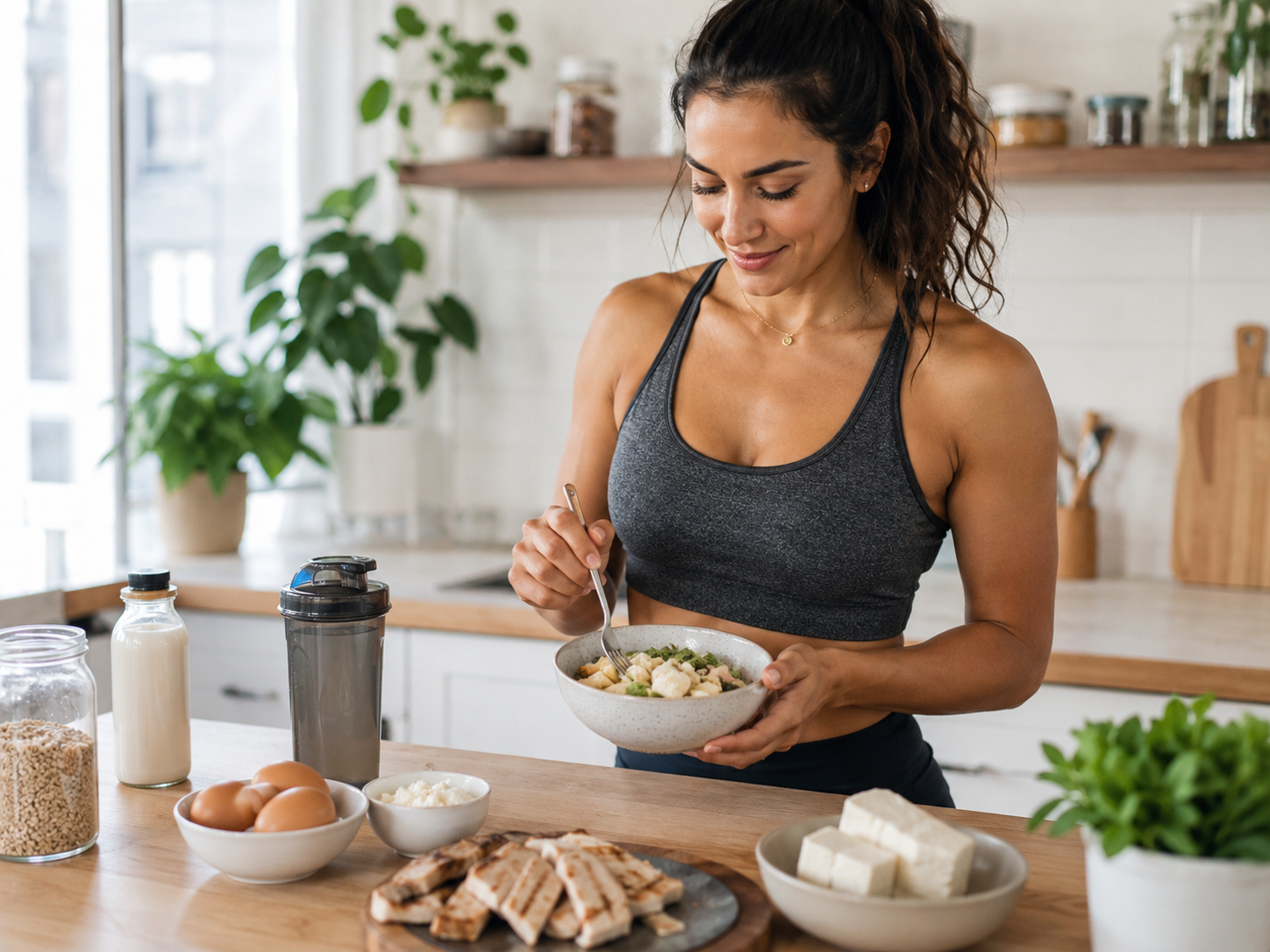
Good meals are not random. They are built from repeatable components. A strong formula is protein + produce + smart carbs + a measured amount of fat. For breakfast, that might be Greek yogurt with berries and oats. For lunch, a chicken salad bowl with potatoes. For dinner, salmon, rice and roasted vegetables. For snacks, fruit, yogurt, protein pudding or boiled eggs work far better than grazing on whatever is nearby.
If you want more precision, use the MacroFit calculator on the homepage to estimate your calories and macros first, then shape meal size around those numbers. That is the difference between “eating healthy” and eating with direction.
Easy plate formula for weight loss
Foods That Sound Healthy but Can Slow You Down
Many people do not struggle because they eat too much junk food. They struggle because they underestimate calorie-dense foods with a healthy image. Granola, smoothies, nut butters, trail mix, specialty coffee drinks, dried fruit and large restaurant salads can all be surprisingly expensive in calories.
That does not make them bad foods. It just means they should be treated like premium budget items. If you love them, keep them in your plan. Just do not let them replace the foods that actually keep you full. The best foods for weight loss are not always the trendiest foods in the room; they are the foods that give you the best return on your calorie budget.
How to Shop for Weight-Loss Success
One of the easiest ways to improve adherence is to make your kitchen more supportive. Fill your fridge and cupboards with foods that create easy default decisions. Shop with categories in mind: two to three protein sources, several vegetables, two fruits, one or two carb staples, a dairy option and a few measured extras for flavor.
- Pick 2–3 main proteins for the week.
- Buy vegetables you will actually eat, not vegetables you think you should eat.
- Choose one easy breakfast you can repeat.
- Keep one emergency high-protein snack at home or on the go.
- Measure calorie-dense extras until portion awareness improves.
| Situation | Better option | Why it helps |
|---|---|---|
| Afternoon hunger | Greek yogurt + berries | Higher protein and more filling than a pastry or cereal bar |
| Quick dinner | Chicken, potatoes and salad | Balanced, repeatable and easy to portion |
| Sweet craving | Fruit + yogurt bowl | Satisfies sweetness with more volume and protein |
| Busy workday | Meal-prep box | Reduces impulsive food choices and delivery calories |
Final Takeaway
The best foods for weight loss are the foods that help you stay consistent. That usually means lean protein, vegetables, fruit, potatoes, oats, beans, Greek yogurt and simple meal prep meals that you can repeat without stress. You do not need a perfect diet. You need a structure that keeps you full, supports your calorie target and fits your schedule.
If you want to turn theory into numbers, use the MacroFit calculator to estimate your calories, protein and macro split. Once your targets are clear, the food choices above become much easier to apply in a practical way.
Run Your Numbers with MacroFit
Use the free calculator to estimate calories, protein, carbs and fats for weight loss, maintenance or muscle gain. Then build your meals around those targets.